
Analysis as Autopsy
In my last post, I talked about the ontology of the tomato - how it’s a fruit to a botanist but a vegetable to a chef. In a healthy kitchen, that’s just a conversation. In a modern enterprise, however, it’s an autopsy.

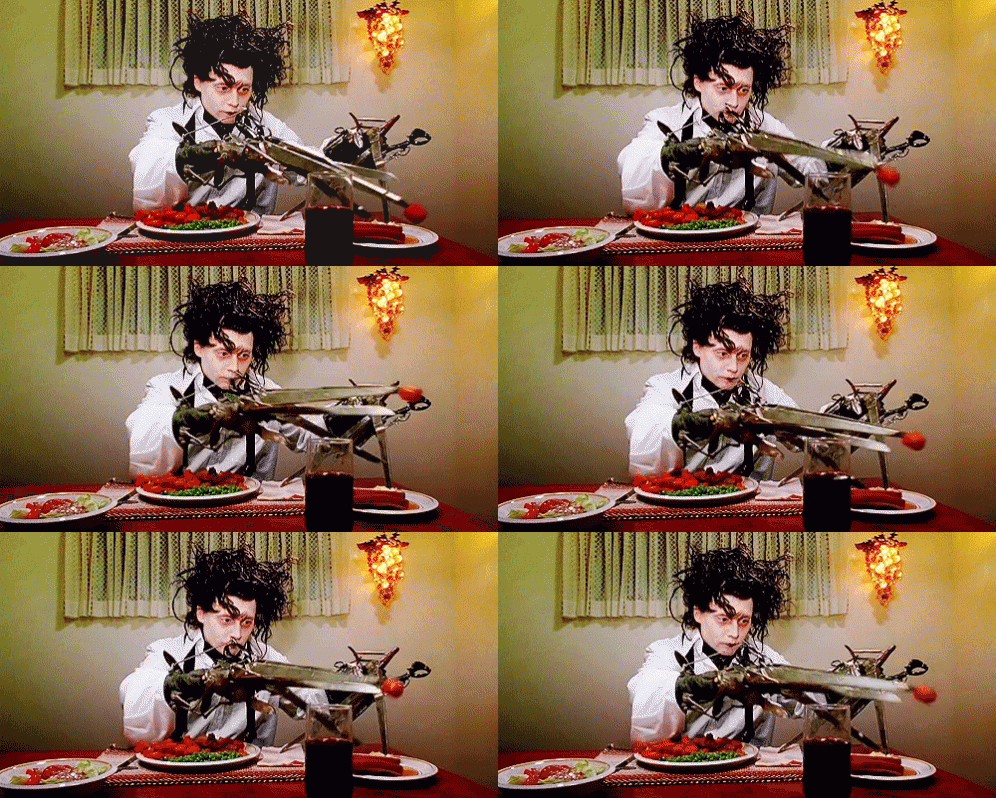
We often talk about ‘Customer Insight’ as if we’ve captured a living, breathing person. But the reality is that our methods for gathering feedback are as fragmented as our departments. We don’t get the whole “animal.” Instead, we buy disconnected bits from the butcher shop: a 4-star rating click through from an email here, a line from a video of a paid testing session there, an angry tweet from last Tuesday.
We then try to “reconstitute” these dead parts into an aggregate monster that we call “The Customer Persona.”
The Enterprise Solvent
The moment any insight enters the enterprise, it hits the Enterprise Solvent. We “analyze” it (from the Greek analuein, meaning “to undo”). We slice the aggregate feedback into shards that fit our silos:
-
Product gets a feature request.
-
Engineering gets a bug report.
-
Marketing gets a sentiment score.
The connective tissue - the “why” that held the customer’s experience together - is dissolved. We then spend months in concurrent, disconnected meetings, moving the insight further and further away from its original self, attempting to reconstitute, recombine, and ship what-the-customer-wants.
The “Human in the Corner” Provocation
This is because the customer can’t be present throughout the process though. Right? Just imagine, for a moment, that a real customer was allowed to sit in the corner of every meeting for a month. Whose office would they sit in? Would they be allowed to attend the “Architecture Review” and the “Budget Planning”?
If they did, they’d eventually end up as the kid in The Emperor’s New Clothes. They’d look at the fractured, contradictory decisions being made and yell: “FFS I’ve already told you this ten times! If I wasn’t here to keep you honest, you lot would do yourselves some harm!”

The Reconstitution Trap
Because we can’t actually have customers sitting in every corner, all enterprise work becomes reconstitutive. We are constantly trying to stitch value back together from severed fragments. And because we have words for the “organs” (Sales, Tech, Ops), but no words for the “nervous system” that keeps them coupled to the customer’s reality, it stays disconnected. Until it makes contact with a customer.
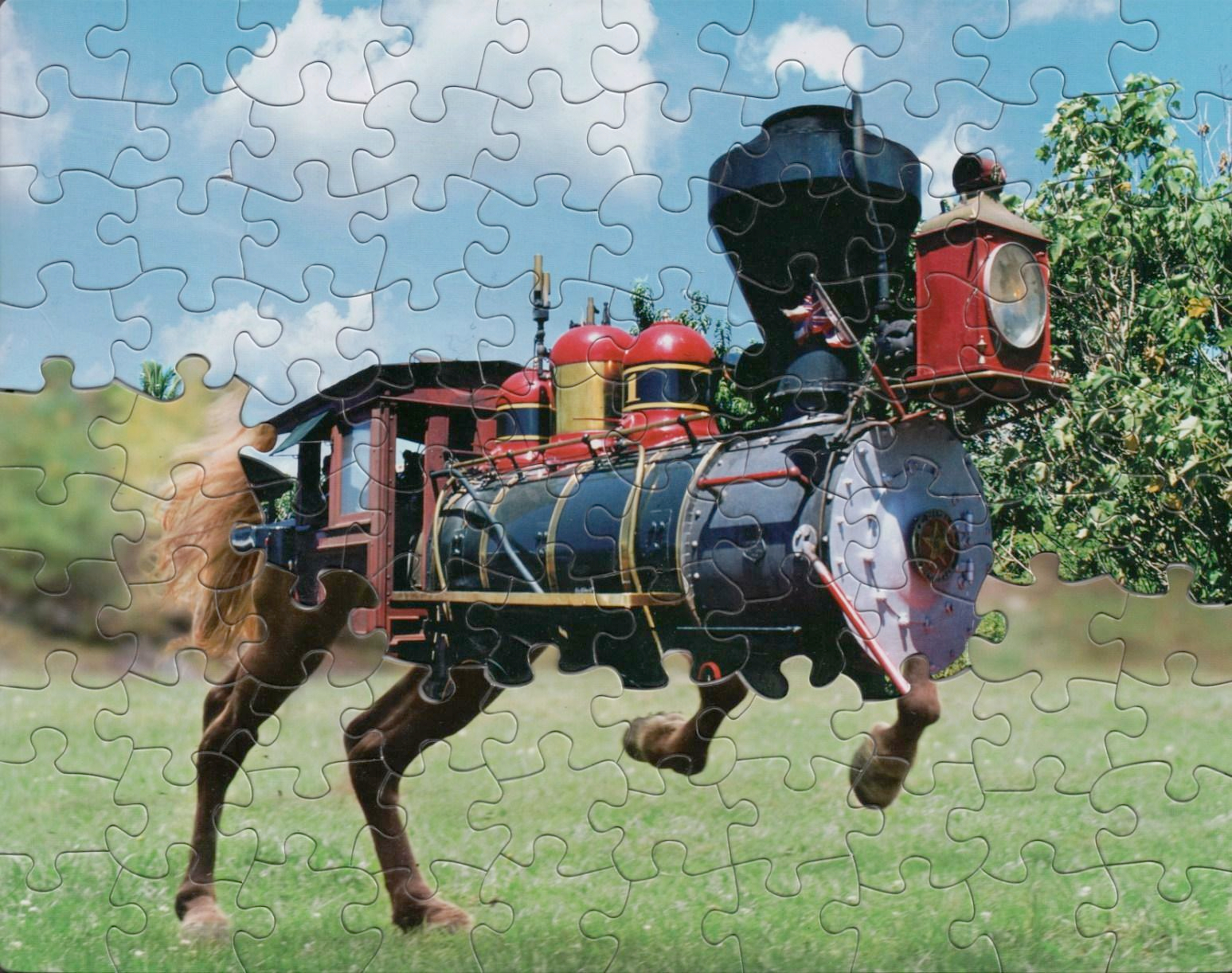
Photo: Tim Klein
Maintaining the Life
We need to stop treating analysis like a dissection. If you have to destroy the context to understand the data, you’ve already lost the game. We need a language that describes things-in-motion - a way to discuss shared artifacts and goals without perpetual autopsy. We need a way to achieve ‘Customer Coupling’, maintaining the “connective tissue” of intent across the entire delivery lifecycle.
What’s Next?

Photo: Nathan Sawaya
To stop the autopsy, we need a different situational awareness. Because an enterprise doesn’t really have descriptors for the thing that it’s inadvertently dissected. In another post, we’ll start building that vocabulary with a look at ‘Assemblage’ - and why your company can be more like a Lego set than a marble statue. We need to understand the difference between when everything-is-fused and when things are different-but-connected. To find those words, we have to look toward a specific branch of philosophy…